The Real Causes Behind the Conflict
The American Civil War did not erupt overnight, nor was it caused by a single issue. It was the result of decades of tension, disagreement, and deeply rooted divisions between the Northern and Southern states. To truly understand the conflict, we must look beyond simplified explanations and examine the multiple forces that pushed the nation toward war.
1. Slavery as the Central Issue
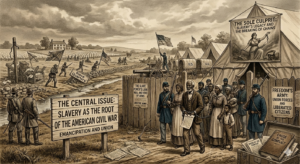
At the heart of the conflict was slavery. The Southern economy relied heavily on enslaved labor, particularly in agriculture, while the North increasingly moved toward industrialization and opposed the expansion of slavery. This fundamental moral, economic, and political disagreement created a divide that grew more intense over time.
2. Economic and Social Differences
The North and South were evolving into two very different societies. The North developed a more urban, industrial economy with a focus on manufacturing and wage labor. In contrast, the South remained largely rural and dependent on plantation agriculture. These differences influenced their values, lifestyles, and priorities, making compromise increasingly difficult.
3. The Debate Over Power
Another major source of tension was the struggle over political power. Southern states feared losing influence in the federal government, especially as new states joined the Union. The question of whether these states would allow slavery became a critical issue, intensifying debates over states’ rights versus federal authority.
4. The Breaking Point: Election of 1860
The election of Abraham Lincoln in 1860 marked a turning point. His opposition to the expansion of slavery alarmed Southern states, leading several of them to secede from the Union. This act of separation set the stage for open conflict.
5. The War Begins (1861)
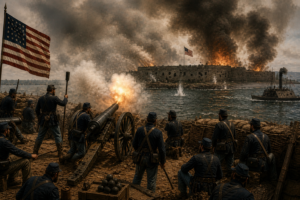
In 1861, tensions escalated into war when Confederate forces attacked Fort Sumter. What had been political and ideological conflict now became a full-scale military struggle.
The Reality of the Civil War
While political debates and leadership decisions are often highlighted, the true reality of the Civil War was experienced by the millions who lived through it. It was a brutal and deeply human tragedy.
1. A War of Unimaginable Loss
The Civil War was one of the deadliest conflicts in American history. Hundreds of thousands of soldiers lost their lives, and many more were wounded. Entire communities were devastated, and the scale of loss reshaped the nation.
2. Conditions Faced by Soldiers
Soldiers endured harsh conditions, including inadequate food, poor medical care, and exposure to extreme weather. Diseases spread rapidly in camps, often claiming more lives than battle itself. The psychological toll of constant fear and violence was equally severe.
3. A Conflict Within Families
Perhaps one of the most tragic aspects of the war was how it divided families. Brothers, cousins, and even fathers and sons sometimes found themselves fighting on opposite sides. The war was not just a national conflict but a deeply personal one.
Key Turning Points
Although the war lasted four years, certain moments significantly shaped its outcome.
1. Early Confederate Strength
At the beginning of the war, the Confederacy had several advantages, including experienced military leaders and strong motivation to defend their homeland. These factors led to early successes on the battlefield.
2. Battle of Gettysburg (1863)
The Battle of Gettysburg marked a crucial turning point. It was one of the bloodiest battles of the war and ended in a major defeat for the Confederacy. This victory gave the Union new momentum and weakened the South’s ability to continue its offensive strategy.
3. Emancipation Proclamation (1863)
Issued by President Lincoln, the Emancipation Proclamation declared that enslaved people in Confederate states were free. While it did not immediately end slavery everywhere, it transformed the war into a fight for human freedom and discouraged foreign nations from supporting the Confederacy.
The War’s End (1865)
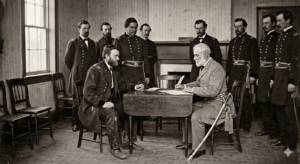
By 1865, the Confederacy was struggling to sustain the war. Its resources were depleted, its infrastructure damaged, and its armies exhausted. The surrender of Confederate General Robert E. Lee marked the effective end of the conflict. The Union was preserved, but the nation was left deeply scarred.
Aftermath and Consequences
The end of the Civil War did not mean an immediate return to normalcy. Instead, it ushered in a challenging and uncertain period.
1. The End of Slavery
One of the most significant outcomes of the war was the abolition of slavery. This marked a major step toward equality, though true justice and civil rights would take many more years to achieve.
2. A Nation in Ruins
The South, in particular, faced widespread destruction. Cities, farms, and infrastructure had been devastated. The economy was shattered, and rebuilding would take decades.
3. The Challenge of Reconstruction
Reconstruction was the effort to rebuild the South and integrate formerly enslaved people into society as free citizens. However, it was a complex and often contentious process, marked by political struggles and resistance.
The Deeper Truths Often Overlooked
Beyond the major events and outcomes, the Civil War reveals deeper insights that are sometimes overlooked.
1. More Than a Single Cause
While slavery was central, the war was influenced by a combination of political, economic, and cultural factors. Understanding this complexity helps us see the conflict more clearly.
2. The Role of Technology
The Civil War was one of the first modern wars, with advancements in weaponry, transportation, and communication. Railroads, telegraphs, and improved firearms changed how wars were fought and increased their scale and impact.
3. The Long-Term Impact
The effects of the Civil War extended far beyond 1865. It reshaped the nation’s identity, strengthened the federal government, and set the stage for future struggles over civil rights and equality.
Why This History Still Matters
The Civil War is not just a chapter in history—it continues to influence the present. The issues at its core, such as equality, justice, and the balance of power, remain relevant today. By studying this period, we gain a deeper understanding of how conflicts arise and how they can be resolved.
More importantly, the Civil War reminds us of the cost of division. It shows what can happen when compromise fails and when differences are allowed to grow into hostility. Learning from this history helps us build a more informed, united, and thoughtful society.
This story is not just about the past—it is a reflection of human choices, struggles, and the ongoing pursuit of a better future.
Conclusion