
Introduction
“Imagine walking through a clean and organized city nearly 4,500 years ago. The streets are straight, houses are built with bricks, and water flows through covered drains. This was the amazing world of the Indus Valley Civilization.” organized cities with proper roads, drainage systems, markets, and peaceful communities.
Their cities were so advanced that even today historians remain surprised by their planning and social structure. From clean streets to strong trade systems, the Indus Valley people created one of the world’s earliest urban societies.
The social life of this civilization was not built around massive wars or powerful kings. Instead, it focused on community living, cleanliness, trade, and organized city life.
1. Indus Valley Civilization Social Life and Planned Cities
The Indus Valley Civilization developed near the Indus River around 2500 BCE in present-day India and Pakistan.
Some major cities included:
- Mohenjo-daro
- Harappa
- Dholavira
- Lothal
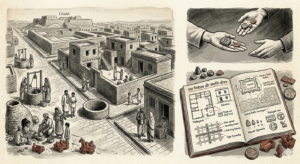
These cities were carefully planned with straight roads and brick houses. Almost every home had access to water and drainage systems.
This shows that social organization and city management were highly important in the civilization.
Unlike many ancient societies, their cities looked clean and well-structured rather than crowded and chaotic.
2. Indus Valley Civilization Social Structure and Community Life
The social structure of the Indus Valley Civilization appeared balanced and peaceful.
Historians found little evidence of large wars or cruel rulers. Instead, society seemed to focus more on cooperation and daily life.
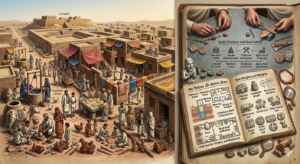
People lived in different types of houses. Some were larger while others were smaller, showing that social classes existed. However, the difference between rich and poor was not extreme.
Families lived together in organized neighborhoods. Communities likely worked together for trade, farming, and public cleanliness.
The civilization gives the image of a society built on discipline and cooperation rather than fear.
3. Indus Valley Civilization Family Life and Daily Routine
Family life played an important role in society.
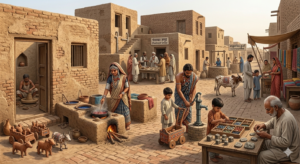
Men worked in farming, trade, construction, and craftsmanship. Women likely managed homes, created crafts, and supported family businesses.
Children played
“Children probably ran through narrow streets while craftsmen worked nearby shaping pottery and jewelry.”
Small visual details make blogs feel real.
with clay toys, animal figures, and miniature carts. Archaeologists discovered many toys during excavations, showing that entertainment and childhood were valued.
People wore cotton clothes and decorated themselves with jewelry made from beads, shells, and metals.
Both men and women enjoyed fashion and personal appearance.
Their daily life looked surprisingly modern for an ancient civilization.
4. Indus Valley Civilization Cleanliness and Drainage System
One of the greatest achievements of the Indus Valley Civilization was cleanliness.
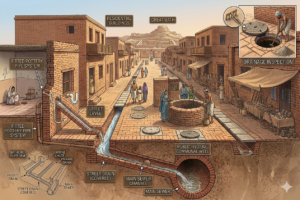
The cities had advanced drainage systems connected to homes and streets. Wastewater flowed through covered drains built beside roads.
Even modern cities sometimes struggle with drainage problems, yet the Indus Valley people managed these systems thousands of years ago.
The famous Great Bath of Mohenjo-daro also shows the importance of public cleanliness and social gatherings.
Historians believe it may have been used for:
- religious activities
- community meetings
- ritual bathing
Their concern for hygiene made them one of the most socially advanced civilizations of the ancient world.
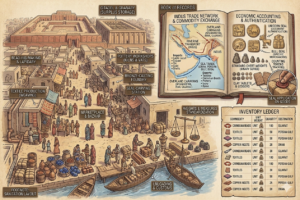
5. Indus Valley Civilization Trade and Economic Activity
Trade was one of the strongest parts of the civilization.
People traded:
- cotton cloth
- pottery
- beads
- jewelry
- metals
The city of Lothal had an advanced dockyard connected to trade routes.
Archaeologists also found evidence that the Indus Valley Civilization traded with Mesopotamia and other distant regions.
Merchants and craftsmen were respected members of society.
Trade helped cities grow richer and more organized.
6. Indus Valley Civilization Religion and Beliefs
The exact religion of the Indus Valley people remains a mystery.
However, seals and statues discovered during excavations suggest that people worshipped nature, animals, and fertility symbols.
Many figures found in meditation positions may represent early spiritual practices connected with later Indian traditions.
Mother Goddess statues suggest respect for motherhood and fertility.
Unlike ancient Egypt, the civilization did not build huge temples or giant royal tombs.
This suggests religion was more connected with everyday social life rather than powerful rulers.
7. Indus Valley Civilization Women and Social Importance
Women held an important place in Indus Valley society.
Archaeologists discovered many female figurines during excavations. These statues suggest that women were respected within social and religious life.
Women likely participated in:
- household work
- craft making
- farming support
- religious practices
The civilization appeared socially stable and organized, with women playing visible roles in community life.
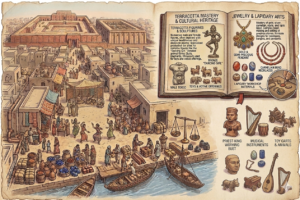
8. Indus Valley Civilization Art and Entertainment
Art was a major part of social life.
People created:
- pottery designs
- seals
- jewelry
- sculptures
One famous discovery is the bronze “Dancing Girl” statue from Mohenjo-daro.
The statue shows confidence and artistic skill.
Music and dance were likely important during festivals and social gatherings.
Their creativity proves that ancient societies also valued beauty and cultural expression.
9. Indus Valley Civilization Mystery and Decline
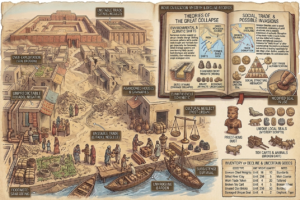
The fall of the Indus Valley Civilization remains one of history’s greatest mysteries.
Historians believe several reasons may have caused its decline:
- climate change
- floods
- drying rivers
- weakening trade systems
Unlike many ancient empires, there is little evidence of violent destruction or massive war.
The civilization slowly disappeared over time.
Yet its influence continued in later Indian culture and traditions.
10. Why Indus Valley Civilization Social Life Still Matters Today
The Indus Valley Civilization teaches modern society many important lessons.
Their cities were built around:
- cleanliness
- organization
- trade
- peaceful community life
Even today, people admire how advanced their drainage and urban planning systems were.
The civilization proves that a society can become powerful through planning, cooperation, and discipline instead of war.
Untold Facts About the Indus Valley Civilization
1. Their Script Is Still a Mystery
The people of the Indus Valley Civilization had their own writing system with symbols and signs. Even today, historians and archaeologists have not fully decoded it.
2. They Built One of the World’s First Drainage Systems
Almost every house had access to covered drains and water systems. Their cities were cleaner and more organized than many later civilizations.
3. No Huge King Statues Were Found
Unlike Egypt or Mesopotamia, no giant statues of kings or rulers were discovered. This suggests their society may have been more balanced and less focused on powerful rulers.
4. Houses Had Private Wells
Many homes had their own wells for water. This was highly advanced for a civilization that existed over 4,000 years ago.
5. They Used Standardized Weights
Traders used carefully measured stone weights, showing that business and trade followed organized systems.
6. Children Had Toys Thousands of Years Ago
Archaeologists found clay toys, animal figures, and miniature carts. This shows children enjoyed games and entertainment just like today.
7. The Great Bath Was an Engineering Wonder
The famous Great Bath of Mohenjo-daro was built with waterproof bricks and advanced drainage systems.
8. They Traded With Distant Civilizations
The civilization traded with Mesopotamia and other regions through land and sea routes. This made them part of one of the ancient world’s earliest trade networks.
9. Their Cities Followed Proper Planning
Roads were built in grid patterns with organized layouts. This level of city planning was extremely rare in ancient times.
10. Nobody Knows Exactly Why the Civilization Disappeared
Historians still debate the fall of the civilization. Climate change, floods, and drying rivers are some possible reasons, but the real answer remains one of history’s greatest mysteries.
Conclusion
The Indus Valley Civilization was far more than an ancient group of cities.
It was a socially advanced civilization where people lived in organized communities, respected cleanliness, traded across regions, and created beautiful art and culture.
From the streets of Harappa to the dockyards of Lothal, the civilization left behind lessons that still inspire historians today.
Though thousands of years have passed, the mystery and brilliance of the Indus Valley Civilization continue to survive through its silent ruins and forgotten cities.
*Tap Here To get knowledgeable blog about how ancient cities work without Electricity.